The Explosive Rise of AI in Mediation
AI isn't sneaking into mediation—it's exploding onto the scene. The Doha Forum 2025 dedicated sessions to "Mediation in the Age of AI," drawing diplomats amid raging wars.[7] Harvard's PON hosted an AI Negotiation Summit, while the IFIT Initiative launched in August 2025, pitting LLMs against real conflicts like Syria and Sudan.[6]
Why now? AI excels at scale: crunching vast data, predicting outcomes, and generating impartial proposals faster than any human. In Belfer Center analysis, AI powers early warning systems for conflicts, analyzes blind spots, and even simulates peace talks via XR.[3]
Consider the hype: Governments plan to double GovTech security spending by 2034. Tools like Bot Mediation are already streamlining legal disputes.[8] It's no wonder JAMS CEO Christopher K. Poole calls it a "revolution"—when done right.[1]
Seven Lessons: How AI Supercharges Negotiation
Harvard PON distilled seven key lessons from AI trials, proving it's more than hype.[2] First, prompting mirrors preparation: Craft detailed inputs, and AI mirrors top negotiators. Second, it uncovers common ground by dissecting dissent—think analyzing emails for shared values.
Takeaway: Use AI as a prep coach. Before your next argument, feed it transcripts: "Identify overlaps in our positions." In tests, AI outperformed humans 68% in transcript analysis.[2]
AI predicts offers brilliantly but falls for deception—lesson three. Lesson four: Warm prompts win. "Be empathetic and collaborative" yields better deals than aggressive ones. Fifth, it's a transcription wizard; sixth, it democratizes expertise for non-experts; seventh, real-time coaching boosts outcomes by 20-30% in simulations.[2]
These aren't abstractions. In the lease case, ChatGPT's $275k suggestion bridged extremes, leading to satisfaction—even after parties learned it was AI.[1] Provocative question: Could your family feud use this?
Ethical Landmines: Bias, Hallucinations, and Empathy Gaps
Flip the coin, and AI mediation looks shaky. The IFIT tests? LLMs scored a dismal 27/100 on professional standards—Google Gemini topped at 37.8, still failing.[6] Hallucinations invent facts; bias from skewed training data perpetuates stereotypes, like undervaluing women's claims in disputes.
Confidentiality? AI stores data, risking breaches—"a discovery device" for opponents, warns Cardozo Journal.[4] Lacks empathy: Jeff Seul of Belfer notes, "AI must support human judgment, not replace live empathy."[3] Neutrality crumbles without accountability.
Poole again: "Unchecked AI risks running afoul of laws and ethical standards."[1] American Arbitration Association urges disclosure and verification to fight bias and anchoring.[5] In polarized times, this could polarize further—imagine AI proposing deals that echo cultural blind spots.
Real-World Case Studies: Hits, Misses, and Hybrids
History offers clues. Pre-AI, the Camp David Accords hinged on human rapport; AI might have flagged data patterns missed by Carter. Fast-forward: Sri Lanka's peace process used AI virtual platforms for safe dialogue.[3]
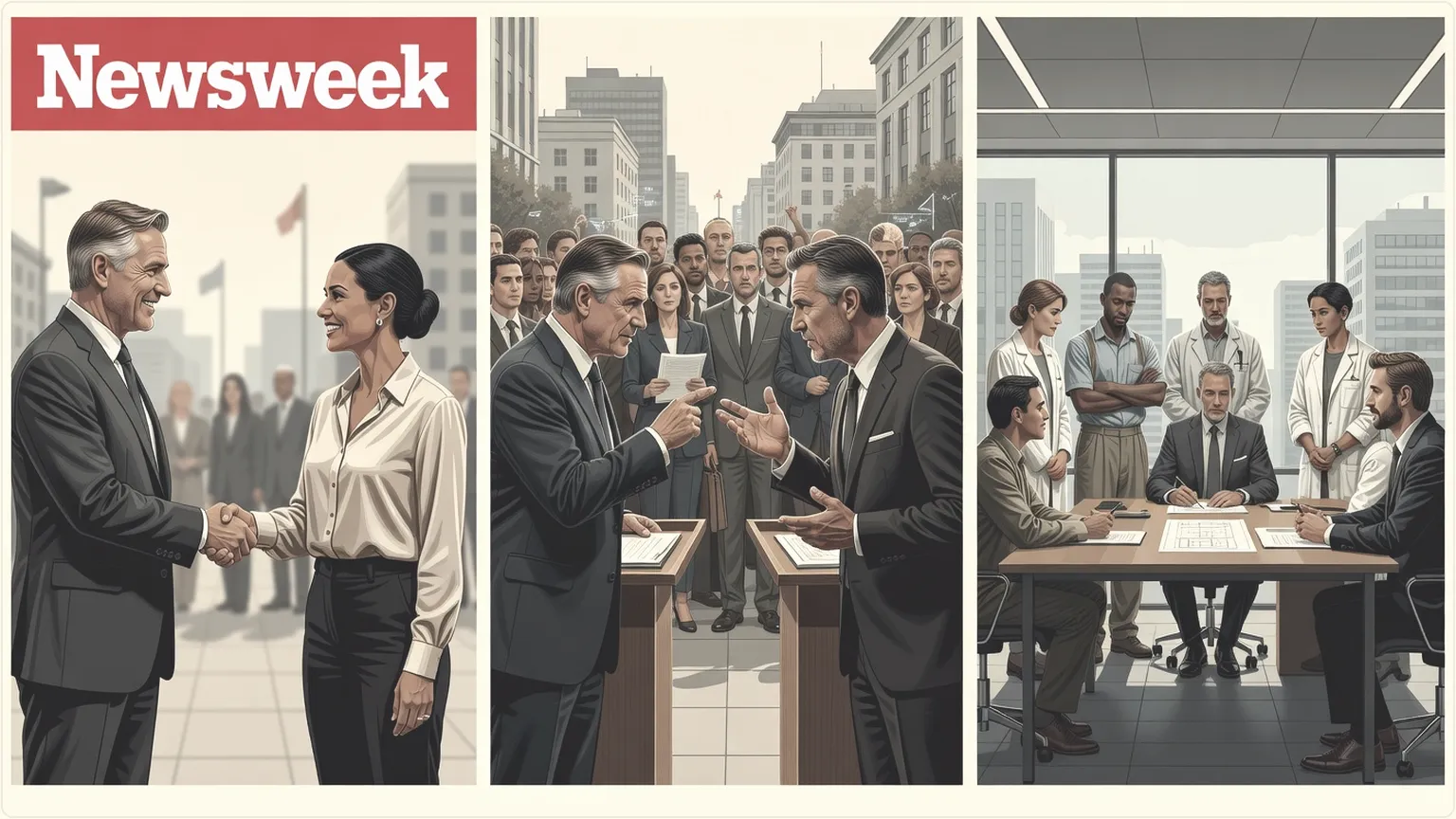
Wins abound. PON's lease triumph.[1] ABA's AI-powered mediation cut legal times by 40% in pilots.[8] But misses? IFIT's Sudan sim: AI ignored cultural nuances, proposing unfeasible truces.[6]
Hybrids shine. Humans handle rapport; AI crunches numbers and emotions via sentiment analysis. AAA's playbook: AI generates questions, humans probe feelings.[5] Doha panels pushed this for shuttle diplomacy—AI drafts, diplomats refine.[7]
Takeaway: Hybrid prompting technique. Start with: "As a neutral mediator, analyze these positions [paste texts]. Suggest 3 impartial options, flagging biases. Rate emotional tones 1-10." Verify outputs yourself. Instant upgrade for workplace spats.
Path Forward: Safeguards and Best Practices
2026 demands action. Regulate disclosure: AAA mandates revealing AI use.[5] Prompt for ethics: "Avoid bias; cite sources; prioritize empathy." Tools like IFIT's benchmarks set standards.[6]
Practical toolkit:
- Bias check: Cross-verify AI outputs with diverse sources.
- Data hygiene: Use anonymized inputs; opt for on-device AI.
- Warmth hack: Prefix prompts with "Respond empathetically as a wise friend."
- Hybrid loop: AI proposes → Human tweaks → AI refines.
Disagree.ing could pioneer AI-moderated debates: Structured prompts ensure fairness, turning rants into insights. Belfer envisions this for global forums.[3]
Experts agree: Cardozo calls for "accountability layers."[4] With surge ahead, hybrids aren't optional—they're essential.
Why Structured Disagreement Demands Ethical AI
At Disagree.ing, we turn fights into understanding. AI mediation fits perfectly—if ethical. It accelerates structured debates: spotting fallacies, proposing compromises, coaching warmth.
But breaches erode trust, the bedrock of discourse. Imagine Gaza talks where AI leaks secrets or biases toward power imbalances. No thanks.
Final takeaway: Embrace AI as ally, not oracle. Hybrid it with human spark. In 2026, this isn't optional—it's how we evolve disagreement into durable peace. Ready to prompt your way to better arguments? The revolution awaits, but only if we steer it right.
Sources
- https://www.pon.harvard.edu/daily/mediation/ai-mediation-using-ai-to-help-mediate-disputes
- https://www.pon.harvard.edu/daily/negotiation-skills-daily/ai-in-negotiation-seven-lessons
- https://www.belfercenter.org/research-analysis/ai-and-future-conflict-resolution-how-can-artificial-intelligence-improve-peace
- https://www.cardozojcr.com/cjcr-blog/ai-mediation-ethically-questionable
- https://www.adr.org/news-and-insights/ethical-adr-in-the-age-of-ai
- https://ifit-transitions.org/initiative-on-ai-and-conflict-resolution
- https://dohaforum.org/docs/default-source/agenda/doha-forum-agenda-2025.pdf?sfvrsn=c1673ea0_28
- https://www.americanbar.org/groups/law_practice/resources/law-technology-today/2025/ai-powered-mediation-for-efficient-legal-dispute-resolution